Walk into any drugstore and you’ll face an entire aisle of conditioners, each claiming to solve a different hair problem. Moisturizing formulas promise hydration. Strengthening treatments claim to repair damage. Volumizing conditioners say they won’t weigh hair down. The result? Most people end up with three or four bottles under the sink, switching between them and never quite sure which one to use.
The truth is simpler than the marketing suggests: most hair benefits from a well-designed daily conditioner that addresses multiple needs without overloading the hair. At Vamp Salon Extension Studio in Brentwood, CA, we help clients simplify their routines by identifying products that actually match how they live and style their hair.
What a Daily Conditioner Actually Needs to Do
A conditioner’s primary job is to smooth the hair cuticle after shampooing opens it. When the cuticle lies flat, hair reflects light better, tangles less, and feels softer. But a good daily conditioner does more than just smooth — it needs to work across several functions without creating new problems.
Here’s what matters in a conditioner you’ll use regularly:
- Detangling without buildup: The conditioner should let a comb glide through wet hair, but rinse clean enough that your hair doesn’t feel coated by day two.
- Protection from daily stress: Heat styling, UV exposure, and even friction from pillowcases all affect hair. A daily conditioner should offer some defense against these routine stressors.
- Moisture that doesn’t overwhelm: Fine hair needs hydration but can’t handle heavy formulas. Thick hair needs substantial moisture but still benefits from a light feel. The best daily conditioners find a middle ground.
- Shine without grease: Conditioner should enhance your hair’s natural light reflection, not make it look oily or flat.
Why “Universal” Conditioners Often Fail
Many conditioners marketed as suitable for all hair types either do too little or try to do too much. Lightweight formulas designed not to weigh down fine hair often leave thicker textures feeling dry and rough. Rich, moisturizing formulas that work beautifully on coarse or curly hair can make straight, fine hair look limp within hours.
The issue isn’t always the ingredients themselves — it’s the concentration and the delivery system. A conditioner needs to deposit enough beneficial ingredients to improve the hair’s condition, but the formula has to rinse away cleanly so those ingredients don’t accumulate over time.
This is where formulation quality makes a real difference. When we recommend a conditioner at the salon, we’re looking at how it performs over weeks of use, not just how it feels in the shower. Does hair stay clean-feeling between washes? Does the conditioner work well with the styling products the client actually uses? Can they use it daily without their hair feeling heavy or their scalp feeling irritated?
What We Look for in a Daily Conditioner
After years of testing products with clients of every hair type, we’ve identified a few key qualities that separate conditioners that work from those that just sit on the shelf:
A Formula That Feels Substantial but Rinses Clean
The texture of a conditioner in your hand doesn’t always predict how it will perform on your hair. Some thick, creamy formulas rinse surprisingly light. Some gel-like conditioners leave more residue than you’d expect. What matters is how the product behaves during rinsing and how your hair feels once it’s dry.
A well-designed conditioner should feel like it’s doing something while it’s on your hair — you should notice slip, easier detangling, a sense that the product is coating the strands. But after rinsing, your hair should feel clean, not slick or coated.
Ingredients That Address Multiple Needs
Rather than a conditioner that targets one specific concern, daily use calls for a formula that handles several functions at once. Look for conditioners that combine smoothing ingredients with protective elements and hydrating components. This approach means you’re not constantly switching products based on what your hair seems to need that day.
Compatibility with Your Styling Routine
Your conditioner doesn’t exist in isolation — it’s the foundation for everything else you do to your hair. If you heat style regularly, your conditioner should work well with thermal protectants and styling products. If you air dry, it should leave your hair in a state that looks good with minimal intervention. If you have extensions, it needs to condition your natural hair without creating buildup on the bonds or wefts.
R+Co BLEU Essential Conditioner: A Stylist’s Pick
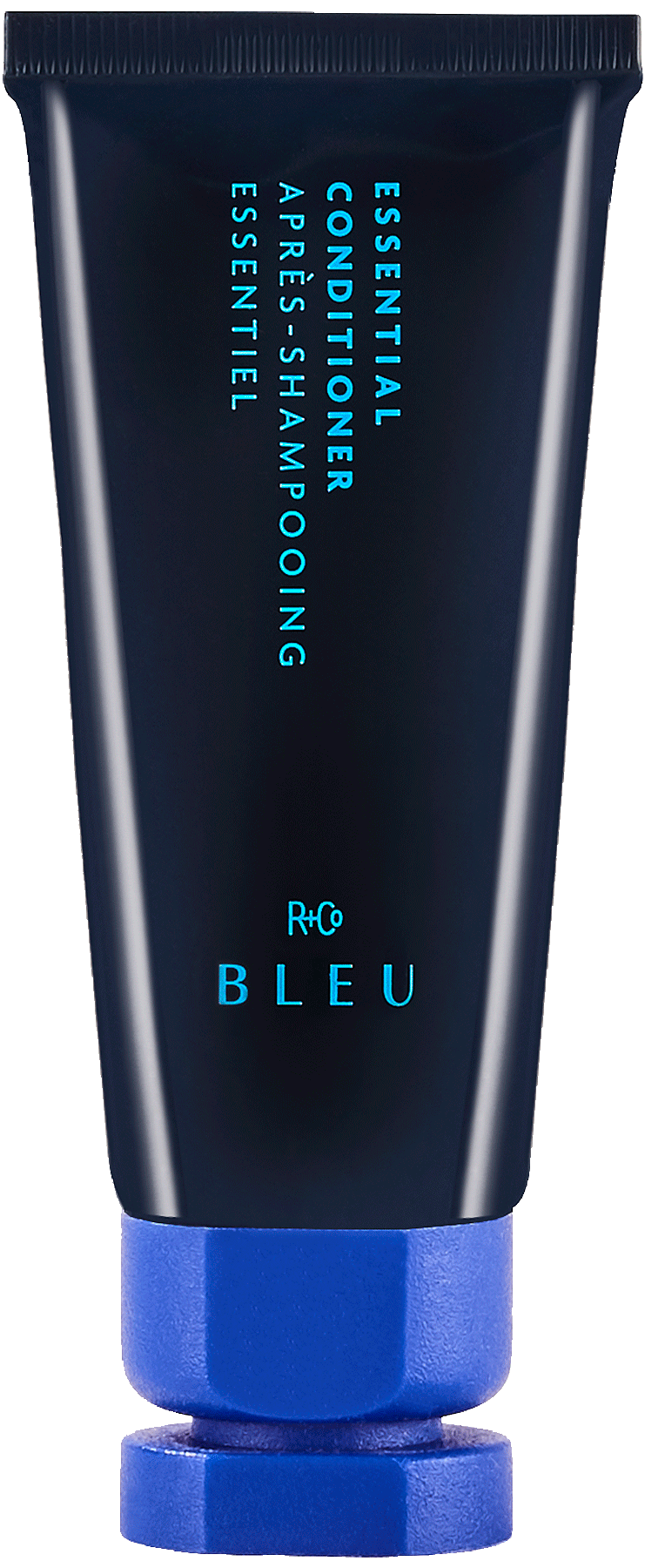
When clients ask us for a single conditioner recommendation that will work for most hair types and daily use, we point them to ESSENTIAL CONDITIONER – Mini from R+Co BLEU. This is the conditioner we reach for when someone wants to simplify their routine without sacrificing results.
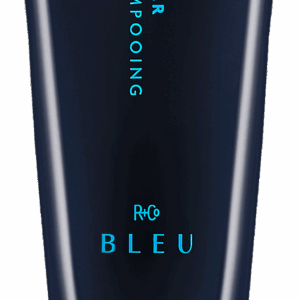
What makes this conditioner work across different hair types is its approach to conditioning. The formula detangles effectively — you’ll notice the difference immediately when you comb through wet hair. It provides genuine slip without leaving a coating that builds up over multiple washes. For fine hair, it offers enough moisture and smoothing without weight. For thicker or textured hair, it provides sufficient conditioning while still rinsing clean.
The formula also addresses protection, which matters for anyone who styles their hair with heat, spends time outdoors, or simply wants their hair to stay in better condition between salon visits. It’s designed to work as a daily conditioner, which means it’s formulated to be used consistently without creating the buildup or heaviness that forces you to switch to a clarifying routine every few days.
We carry authentic R+Co products at Vamp Salon, and you can learn more about where to buy R+Co through our salon. The mini size is a practical way to test how a conditioner works with your specific hair before committing to a full-size bottle.
How to Use a Daily Conditioner Effectively
Even a well-formulated conditioner won’t perform well if you’re not using it correctly. Here’s how to get the most from your daily conditioning routine:
Start with Clean, Wet Hair
Conditioner works best when applied to hair that’s been thoroughly shampooed and is still quite wet. Squeeze out excess water so the hair isn’t dripping, but don’t towel-dry before conditioning. The water helps distribute the conditioner evenly and aids in rinsing.
Focus on Mid-Lengths to Ends
Unless you have very dry hair or a dry scalp, keep conditioner away from your roots. The hair closest to your scalp receives natural oils and doesn’t need as much conditioning. Concentrate the product from your ears down, paying extra attention to the ends, which are the oldest and most weathered part of your hair.
Give It a Moment
You don’t need to leave conditioner on for a specific number of minutes, but giving it a moment to work — even just while you wash your face or body — allows the conditioning ingredients to smooth the cuticle more effectively. For most daily conditioners, a minute or two is sufficient.
Rinse Thoroughly
This step matters more than most people realize. Rinse until your hair feels clean, not slippery. If you have fine hair, consider a final rinse with slightly cooler water, which can help the cuticle lie flatter and may reduce the chance of any residue weighing hair down.
When to Adjust Your Conditioning Routine
A good daily conditioner should work for you most of the time, but there are situations when you might need to modify your approach:
After chemical services: In the weeks following color, highlights, or other chemical treatments, your hair may need extra moisture. You might use slightly more conditioner or leave it on a bit longer during this period.
Seasonal changes: Hair often behaves differently in winter versus summer. You might find you need less conditioner in humid months or slightly more in dry, cold weather. Pay attention to how your hair feels and adjust accordingly.
When you change styling habits: If you start heat styling more frequently or switch to air drying, your conditioning needs may shift. The right daily conditioner should adapt to these changes without requiring you to buy an entirely different product.
Finding What Works for Your Hair
The best way to know if a conditioner truly works for your hair is to use it consistently for at least two weeks. Pay attention to how your hair feels on day one after washing, day two, and day three if you don’t wash daily. Notice whether you’re reaching for more styling products to manage your hair or whether it’s behaving better on its own.
If you’re unsure what your hair actually needs or you’ve been struggling to find products that work, a consultation at the salon can help. We look at your hair’s current condition, discuss your styling routine, and recommend specific products based on what we see and what you tell us about how your hair behaves at home. You can book a personalized consultation at Vamp Salon Extension Studio by calling (925) 306-7742 or texting (925) 308-3370.
The right daily conditioner simplifies your routine, improves how your hair looks and feels, and works consistently whether you’re having a good hair day or a challenging one. When you find that conditioner, you’ll know — because you’ll stop thinking about your conditioner and just enjoy your hair.
Read more about how we write the Vamp Salon blog →