You’ve just left the salon with fresh color — rich, dimensional, exactly what you wanted. Then life happens. A week passes, maybe two, and you notice your hair feels different. Maybe it’s drier than it was on day one, or the vibrancy seems to fade faster than you expected. This is the reality of color-treated hair: the chemical process that deposits or lifts pigment also changes the structure of each strand, making ongoing care essential.
The good news is that keeping color-treated hair healthy between salon visits doesn’t require a complicated routine. It requires understanding what your hair actually needs after color service and choosing products designed to work with — not against — the changes that color creates. Here’s what professional colorists want you to know about maintaining both the health and the color you paid for.
What Happens to Hair During Color Service
When you color your hair, the cuticle layer (the outermost protective layer of each strand) opens to allow pigment molecules in or natural pigment out. This is necessary for color to take, but it also makes hair more porous and vulnerable. Once the service is complete, that cuticle needs help closing back down and staying sealed. If it remains raised or rough, color molecules can escape more easily, moisture leaves the hair shaft, and the texture becomes coarser.
This is why the first few washes after a color appointment matter so much. Every time you wet your hair, the cuticle swells slightly. If you’re using products that aren’t pH-balanced or that strip the hair, you’re essentially undoing the work your colorist did to seal everything in. The result: faster fading, dullness, and that straw-like feeling that makes you think something went wrong at the salon (when really, it’s what happened at home).
The Role of Conditioner in Color Maintenance
Shampoo gets most of the attention in color-care conversations, but conditioner is where the real protection happens. A conditioner formulated for color-treated hair does more than add slip or softness — it actively works to smooth the cuticle, restore moisture that the coloring process depleted, and create a barrier that helps pigment stay put.
Not all conditioners are built for this. A standard conditioner might make hair feel nice temporarily, but it won’t address the specific structural needs of color-treated strands. You need a formula that’s pH-balanced (slightly acidic, to help the cuticle lay flat), hydrating without being heavy, and designed to work with the chemistry of colored hair rather than just coating it.

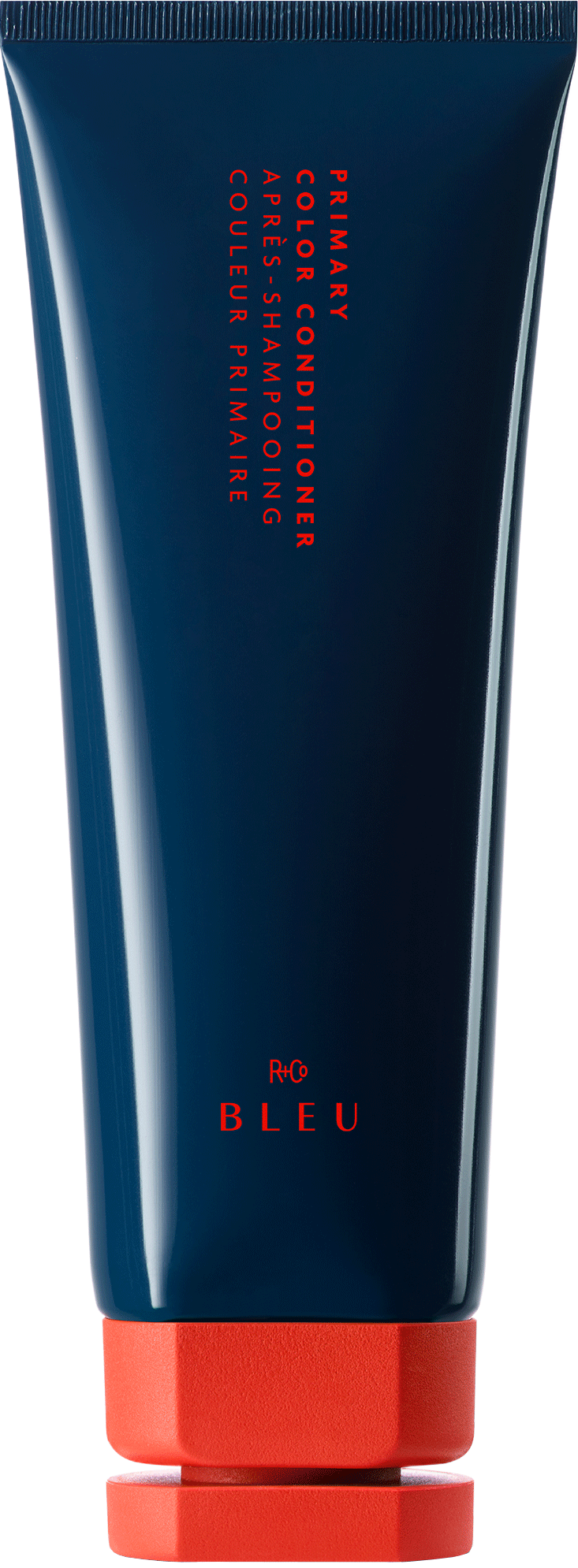
This is where a product like PRIMARY COLOR CONDITIONER from R+Co BLEU becomes relevant. It’s a lightweight conditioner built specifically for the needs of color-treated hair, using a pH-balanced formula that helps seal the cuticle after it’s been opened during color service. The formula includes Pro-Vitamin B5 and naturally derived fruit acids to nourish and hydrate without weighing hair down, which is especially useful if your hair is fine or tends to go flat with heavier products.
What makes it different from a basic conditioner is the targeted approach: it’s designed to help lock in color, smooth the surface of each strand, and reinforce areas that may have been weakened during the coloring process. It also offers heat protection and UV defense, which matters if you use hot tools regularly or spend time outdoors. We carry authentic R+Co products at the salon — you can learn more about where to buy R+Co and what we keep in stock.
Daily Habits That Protect Your Color Investment
Product choice matters, but so does how you use it. Here are the daily habits that make the biggest difference in how long your color lasts and how healthy your hair feels between appointments:
Water Temperature
Hot water opens the cuticle, which means color can escape more easily. Wash your hair with warm (not hot) water, and if you can tolerate it, finish with a cool rinse. This helps the cuticle close and adds shine. It’s not comfortable, but it works.
Conditioner Application
Apply conditioner from mid-lengths to ends, avoiding the scalp unless your hair is extremely dry or coarse. Let it sit for a minute or two before rinsing — this gives the formula time to penetrate the cuticle and do its work. If you rinse immediately, you’re washing away most of the benefit.
Towel Drying
Rubbing wet hair with a towel roughens the cuticle and causes breakage, especially when hair is already compromised from color. Instead, gently squeeze out excess water and blot with a microfiber towel or soft T-shirt. The less friction, the better.
Heat Styling
If you use a blow dryer, flat iron, or curling iron regularly, heat protection isn’t optional. Color-treated hair is more vulnerable to heat damage because the cuticle is already stressed. Use a heat protectant every time, and when possible, let hair air-dry partway before picking up a hot tool.
UV Exposure
Sun exposure fades color faster than almost anything else, especially if your color is on the lighter or more vibrant end of the spectrum. If you’re spending time outside, wear a hat or use a product with UV filters. This is one of those small things that adds up over weeks and months.
When to Book Your Next Color Appointment
Even with perfect at-home care, color-treated hair needs professional maintenance. How often depends on the type of color service you had, your hair’s natural growth rate, and how much contrast there is between your natural color and your colored hair. For most clients, that means returning every six to eight weeks for a refresh or root touch-up.
If you’re noticing significant fading, dryness, or changes in texture before that window, it’s worth scheduling a consultation to assess what’s happening. Sometimes the issue is the at-home routine; sometimes it’s that your hair needs a different color formula or a conditioning treatment to get back on track. Either way, catching it early prevents bigger problems down the line.
Book a color consultation at Vamp Salon
What to Avoid After Color Service
Just as important as what you should do is what you should avoid. These are the most common mistakes that shorten the life of your color:
Clarifying shampoos: These are designed to strip buildup, which means they also strip color. Unless your stylist specifically recommends one for a particular reason, skip clarifying formulas and stick with color-safe options.
Overwashing: The more you wash, the faster color fades. If your hair type allows it, try extending the time between washes. Dry shampoo can help absorb oil and refresh your style without water.
Chlorine and salt water: Both are extremely drying and can alter your color, especially if your hair is blonde or pastel-toned. Wet your hair with clean water before swimming (so it absorbs less pool or ocean water), and rinse thoroughly afterward. A swim cap is even better if you’re a frequent swimmer.
Skipping conditioner: Some people skip conditioner to avoid greasy roots, but this leaves the lengths and ends unprotected. If your scalp gets oily quickly, just keep conditioner away from the root area and focus on the parts of your hair that actually need it.
Building a Routine That Works
The goal isn’t to add ten steps to your routine — it’s to make sure the steps you’re already taking are actually helping your hair. For most people with color-treated hair, that means using a pH-balanced, color-safe shampoo and conditioner, protecting hair from heat and UV exposure, and being gentler with wet hair. Those three things alone will extend the life of your color and keep your hair feeling healthier between salon visits.
If you’re not sure where to start or if your current routine isn’t giving you the results you want, a consultation can help. We can assess your hair’s condition, talk through what’s working and what’s not, and recommend specific products or adjustments based on your color service and hair type.
Book a color consultation at Vamp Salon
Color-treated hair requires more attention than untreated hair — that’s just the reality of the chemistry involved. But with the right products and habits, you can keep your color vibrant and your hair healthy for weeks after you leave the salon. It’s not about perfection; it’s about consistency and making choices that support the investment you’ve already made in your color.
Read more about how we write the Vamp Salon blog →