Color-treated hair needs consistent care between salon appointments. The chemical process that deposits or lifts color changes hair’s structure, making strands more porous and prone to dryness. Without a daily routine that addresses these changes, hair can feel rough or look dull within weeks of a fresh color service.
The goal isn’t to reverse what happens during coloring—it’s to work with your hair’s new needs. Color-treated hair benefits from products that seal the cuticle, add slip for easier detangling, and provide daily moisture without weighing hair down. Small adjustments to your wash routine make a noticeable difference in how hair feels and how long your color stays vibrant.
Why Color-Treated Hair Feels Different
When hair is colored, the cuticle layer lifts to allow pigment in or to remove natural melanin. Even after the service is complete, the cuticle doesn’t return to its original tight seal. This slightly raised cuticle catches on neighboring strands, creating friction that leads to tangles and a rougher texture.
Porous hair also loses moisture faster. Water and nutrients that would normally stay locked inside can escape more easily, leaving strands feeling dry between washes. This is why hair that felt smooth before color may now snag on a brush or feel coarse to the touch.
These changes aren’t damage in the clinical sense—they’re the expected result of altering hair’s structure. The right conditioner helps manage these new characteristics by smoothing the cuticle and adding back moisture that porous hair releases throughout the day.
What to Look for in a Daily Conditioner
A conditioner for color-treated hair should detangle without leaving residue. Heavy formulas can build up over time, making hair look flat or greasy. Lightweight options that still provide slip are better suited for daily use, especially if you wash your hair frequently or have fine to medium texture.
Ingredients that coat the hair shaft—like silicones or conditioning agents—help smooth the raised cuticle. This reduces friction between strands and makes combing through wet hair easier. Look for conditioners that mention detangling or smoothing in their purpose, rather than those focused solely on adding volume or texture.
Moisture is important, but it should come in a form that doesn’t weigh hair down. Conditioners described as “melting” or “lightweight” often balance hydration with a finish that doesn’t cling to hair after rinsing. This type of formula works across different hair types because it adjusts to what each strand needs without overloading.
A Conditioner That Works on All Hair Types
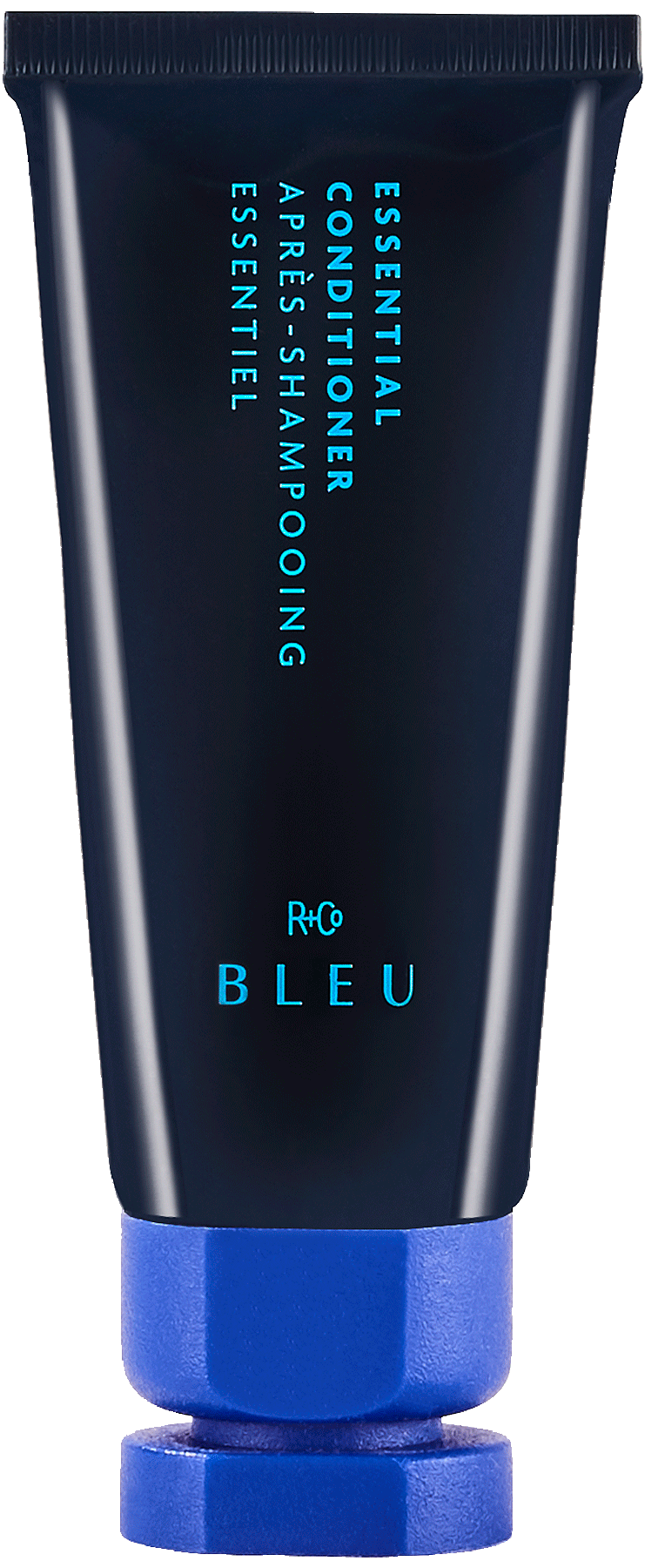
We keep ESSENTIAL CONDITIONER – Mini from R+Co BLEU stocked at the salon because it handles the most common request we hear: something that softens hair without making it heavy. This conditioner detangles, smooths the cuticle, and adds moisture in a formula light enough to use every day.
What makes this conditioner versatile is how it responds to different textures. Fine hair gets slip and shine without going limp. Thicker, coarser hair gets enough moisture to feel soft but not coated. Color-treated hair benefits from the smoothing effect, which helps the cuticle lie flatter and reflect light more evenly—this is what makes color look fresh longer.
The formula is designed to feel like a treatment but rinse out cleanly. You’re not left with a film or residue that builds up over multiple washes. This makes it practical for daily use, even if you’re someone who washes hair frequently or has an active lifestyle that requires regular cleansing.
We carry authentic R+Co products at Vamp Salon, and you can also shop R+Co online through our site. The mini size is useful for testing a product before committing to a full bottle, or for travel when you want to maintain your routine away from home.
How to Use Conditioner on Color-Treated Hair
Apply conditioner to the mid-lengths and ends of your hair, avoiding the scalp unless your hair is very dry or textured. The scalp produces its own oils, so adding conditioner directly to the roots can make hair look greasy faster. Focus on the areas that take the most stress—anywhere a brush or elastic touches regularly.
Let the conditioner sit for a moment before rinsing. You don’t need to leave it on for a specific amount of time, but giving it a minute or two allows the conditioning agents to coat the hair shaft. This is especially helpful if your hair tangles easily or feels rough when wet.
Rinse thoroughly with cool or lukewarm water. Hot water can swell the hair shaft and cause the cuticle to lift further, which works against what the conditioner is trying to do. Cooler water helps the cuticle lay flatter, which improves shine and reduces frizz as hair dries.
Other Habits That Support Soft Hair
Use a wide-tooth comb or a brush designed for wet hair to detangle after conditioning. Starting from the ends and working up toward the roots prevents breakage and reduces the pulling that can stress already-porous strands.
Limit heat styling when possible, and always use a heat protectant if you do blow-dry or use hot tools. Color-treated hair is more vulnerable to heat because the cuticle is already compromised. A protectant creates a barrier that reduces direct heat exposure.
Consider spacing out your wash days if your scalp allows it. Washing less frequently gives your scalp’s natural oils time to travel down the hair shaft, which adds a layer of moisture and protection that conditioner alone can’t provide. Dry shampoo can extend time between washes without leaving hair looking oily.
When to Adjust Your Routine
If your hair starts to feel heavy or looks flat at the roots, you may be using too much conditioner or applying it too close to the scalp. Pull back on the amount or focus only on the ends for a few washes to see if the weight lifts.
If hair still feels dry or tangles easily even with regular conditioning, it may be time for a deeper treatment or a consultation about your color formula. Some color processes are more drying than others, and adjusting the technique or timing during your next appointment can make home care easier.
Hair that feels coated or looks dull despite using a lightweight conditioner might have product buildup. A clarifying shampoo used once every few weeks can reset your hair and allow conditioners to work more effectively. Just be sure to follow with conditioner immediately after clarifying, as these shampoos are more stripping than daily formulas.
Why Consistency Matters More Than Products
The best conditioner won’t make up for inconsistent care. Color-treated hair benefits most from a routine you can maintain—products you’ll actually use every time you wash, not just when you remember or when hair feels particularly dry.
A lightweight, daily conditioner like ESSENTIAL CONDITIONER – Mini fits into this kind of routine because it doesn’t require extra steps or long wait times. You apply it, rinse it out, and move on. The simplicity makes it easier to stay consistent, which is what keeps color-treated hair feeling soft over time.
If you’re unsure whether your current routine is working or if you need a different approach based on your specific color service, a color consultation at Vamp Salon can help. We look at your hair’s current condition, your color history, and your daily habits to recommend products and techniques that fit your life.
Keeping color-treated hair soft isn’t about finding a miracle product—it’s about understanding what your hair needs now and giving it consistent, appropriate care. A good conditioner is part of that, but so is how you apply it, how often you wash, and how you handle your hair when it’s wet. Small, deliberate choices add up to hair that feels better and color that lasts longer between appointments.
===END===
Read more about how we write the Vamp Salon blog →