If your hair feels constantly dry, looks dull even right after washing, and develops frizz the moment you step outside, the problem might not be what you’re doing wrong—it’s what’s missing. Many people assume dull, moisture-resistant hair needs heavier conditioners or more frequent treatments, but the real issue often lies in the hair’s outer protective layer.
Your hair has a natural lipid barrier on its surface that serves three essential functions: it locks moisture inside the strand, creates smoothness by sealing the cuticle, and allows light to reflect evenly for natural shine. When this barrier is compromised—through heat styling, chemical processing, environmental exposure, or even just daily washing—hair loses its ability to retain hydration, no matter how much conditioner you apply.
Why Hair Becomes Dull and Moisture-Resistant
Hair that won’t hold moisture typically shows specific signs: it feels rough or straw-like even when wet, dries quickly but looks parched, tangles easily, and lacks the light-reflecting quality that creates shine. This happens because the protective lipid layer has been stripped away or damaged, leaving the cuticle raised and porous.
Think of it like a roof with missing shingles. Water can get in, but it also escapes just as quickly. The structure underneath stays exposed and vulnerable. In hair, this means moisture evaporates rapidly, the cuticle stays rough, and light scatters instead of reflecting smoothly—the visual result is dullness and frizz.
Common causes include frequent heat styling without protection, color or chemical treatments, hard water deposits, UV exposure, and even towel-drying too aggressively. Over time, these factors wear down the lipid barrier faster than it can naturally replenish itself.
Restoring the Moisture Barrier
The solution isn’t adding more moisture—it’s rebuilding the barrier that keeps moisture in. This requires a different approach than standard conditioning. You need to replace the lipids that have been lost, and you need to do it at the right point in your routine: right after cleansing, when hair is most receptive and before you apply anything else.
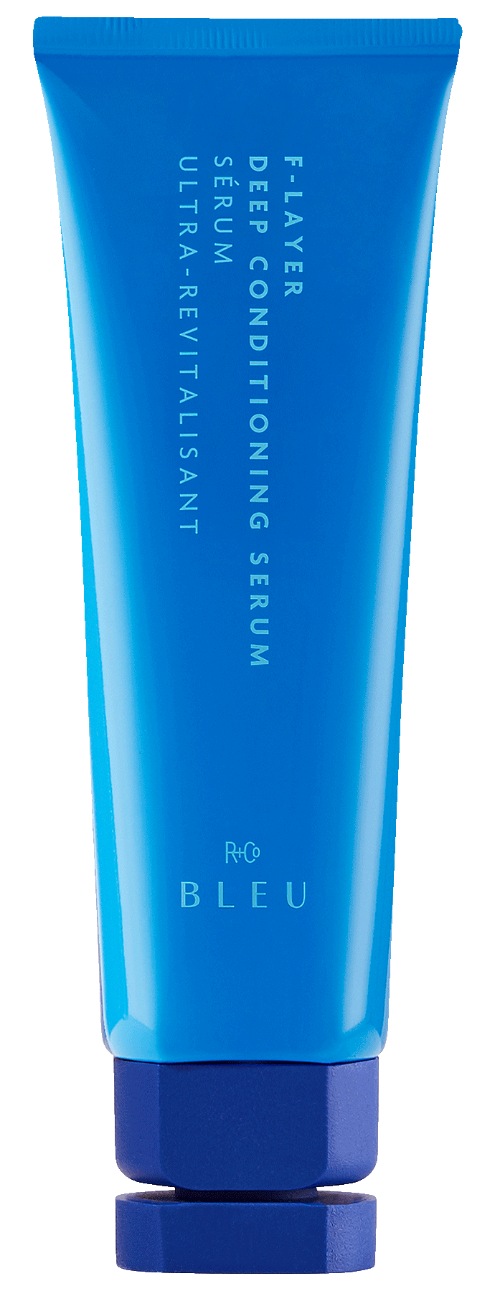
This is where a targeted serum designed to replenish the lipid layer makes a difference. At Vamp Salon, we recommend F-LAYER CONDITIONING SERUM from R+Co BLEU as the first step after shampooing. It’s formulated specifically to rebuild that protective barrier using a blend of botanical oils and fruit water extracts rich in vitamins and minerals.
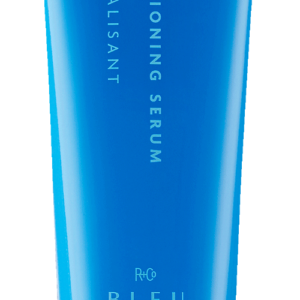
What makes this serum effective for dull, moisture-resistant hair is its purpose: it’s not a leave-in conditioner or a styling product. It’s a barrier-repair treatment you apply to clean, towel-dried hair before you condition. The lightweight formula absorbs into the cuticle layer without weighing hair down, creating a foundation that allows your regular conditioner to work more effectively and helps hair retain moisture throughout the day.
The application is straightforward: after shampooing, gently squeeze excess water from your hair with a towel—don’t rub. Dispense a small amount of the serum into your palms, warm it briefly between your hands, and distribute it evenly through mid-lengths to ends, avoiding the roots. Then follow with your regular conditioner. The serum creates a base layer that helps the conditioner penetrate properly and prevents moisture from escaping once hair dries.
What to Expect
Hair that’s been missing its protective lipid layer won’t transform overnight, but you’ll notice certain changes fairly quickly. Hair typically feels smoother when wet and tangles less during conditioning. As the barrier rebuilds with consistent use, you’ll see improved light reflection—hair looks less flat and matte. Frizz becomes less reactive to humidity because the cuticle lies flatter. Most importantly, moisture stays in longer, so hair doesn’t feel parched an hour after styling.
This approach works for all hair types experiencing dullness and moisture loss, but it’s particularly helpful for color-treated hair, heat-styled hair, and anyone living in dry climates or areas with hard water. The serum doesn’t replace your conditioner or styling products—it makes them work better by giving them a properly prepared foundation.
Building a Routine That Supports Moisture Retention
Once you’ve addressed the lipid barrier, other steps in your routine become more effective. Use a gentle, sulfate-free shampoo that cleanses without stripping. Apply the barrier-repair serum immediately after towel-drying. Follow with a conditioner suited to your hair’s texture and needs—the serum allows it to penetrate and work as intended.
After rinsing, apply any leave-in products or heat protectants to damp hair. The rebuilt barrier helps these products distribute evenly and prevents them from evaporating before they can do their job. When heat styling, use moderate temperatures and always prep hair first—the protective layer you’ve restored will help shield against damage.
Between washes, avoid over-handling hair and limit exposure to harsh environmental conditions when possible. If you swim regularly, wet hair with clean water before entering a pool—it reduces how much chlorinated water the hair absorbs. Protect hair from prolonged sun exposure, especially if it’s color-treated.
When to Seek Professional Guidance
If you’ve been addressing the moisture barrier consistently and still see persistent dullness, excessive breakage, or texture changes, a professional consultation can identify other contributing factors. Sometimes the issue involves protein balance, product buildup, or damage that requires a different treatment approach.
At Vamp Salon in Brentwood, CA, we assess hair’s condition during personalized consultations and recommend specific at-home care based on what we observe. We carry authentic R+Co products at the salon, and you can also buy R+Co directly from our site. If you have questions about your hair’s moisture retention or want guidance on building an effective routine, call us at (925) 306-7742 or text (925) 308-3370.
The Foundation of Healthy-Looking Hair
Dull, frizzy hair that won’t hold moisture isn’t a permanent condition—it’s a sign that the protective lipid barrier needs support. By addressing this foundation first, before layering on conditioners and styling products, you give your hair the structure it needs to retain hydration, reflect light properly, and resist environmental stress.
The difference between hair that looks chronically dry and hair that holds moisture comes down to that outer protective layer. When it’s intact, everything else you do for your hair works better. When it’s compromised, no amount of heavy conditioning will solve the underlying problem. Start with the barrier, and the rest of your routine falls into place.
Read more about how we write the Vamp Salon blog →